
Quick answer
Bordeaux river cruise water levels on the Garonne are highest from November through May, when winter rainfall and spring snowmelt maintain depths above 4.5 meters at the Port de la Lune. Summer months—July through September—see the lowest levels, often dropping below 3 meters during drought years, which forces itinerary changes or cancellations for deep-draft vessels. Tidal range at Bordeaux averages 5 meters, creating narrow navigation windows twice daily when water is sufficient for safe passage.
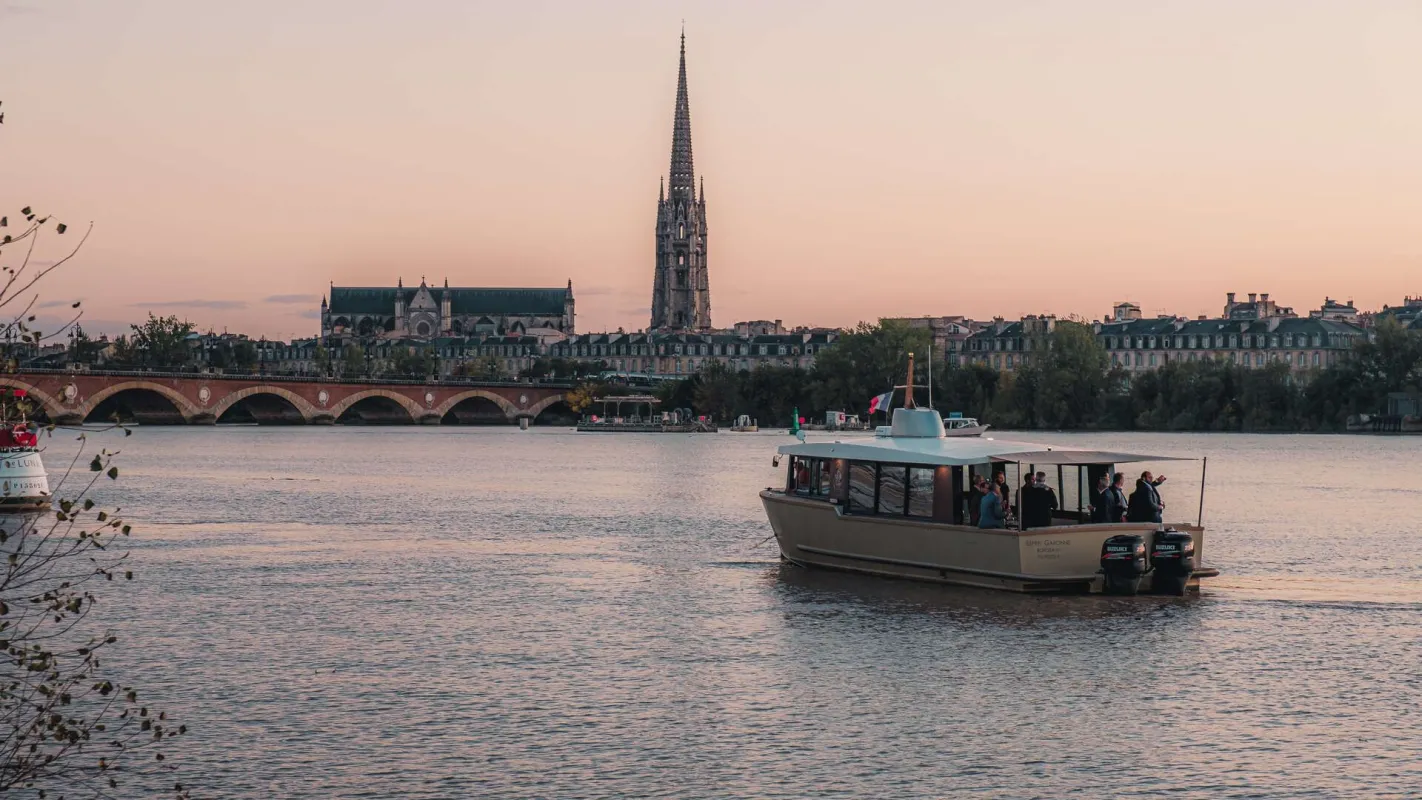
The Garonne River drops an average of 1.8 meters between April and August each year, a shift that rewrites cruise schedules across Bordeaux's UNESCO waterfront. River operators track real-time data from the Port Autonome's hydrometric stations at Bordeaux-Bassens and upstream at La Réole, where gauges measure both tidal amplitude and baseline river stage. When the baseline falls below the 2.8-meter threshold at Bordeaux, vessels drawing more than 1.6 meters cannot safely navigate the stone-lined channel past Quai des Chartrons, even at high tide. Winter and spring deliver the most reliable navigable conditions. Atlantic depressions funnel moisture into the Pyrenees and Massif Central, feeding tributaries that swell the Garonne's flow. Snowmelt from the high Pyrenees peaks in May, sustaining depths that accommodate the largest river cruise ships—those with drafts approaching 1.8 meters. By contrast, late summer exposes gravel bars near Cadillac and forces captains to time departures within a two-hour window around high tide. Drought years, like 2022, saw water levels drop so low that cruise lines substituted bus transfers between Bordeaux and downstream ports at Pauillac. Tidal influence compounds the seasonal pattern. Bordeaux sits 99 kilometers from the Atlantic, yet spring tides—occurring during new and full moons—can raise water levels by as much as 5.4 meters at Quai Richelieu. Neap tides, two weeks later, reduce the range to 3 meters, narrowing the navigable window and occasionally stranding vessels until the next favorable tide. The Gironde estuary funnels this tidal pulse upstream, creating a tidal bore—locally called the mascaret—that during equinox periods produces a visible wave traveling upriver at 15 kilometers per hour. Cruise operators publish low-water contingency clauses in their terms, typically allowing itinerary modifications if the Bordeaux gauge reads below 2.5 meters for three consecutive days. These clauses protect both passengers and operators, but they also underscore the Garonne's unpredictability. Passengers booking April or May departures face the lowest cancellation risk, while those choosing late August should confirm their line's alternate docking arrangements at Blaye or Pauillac, where deeper channels remain navigable year-round.
“When the baseline falls below the 2.8-meter threshold at Bordeaux, vessels drawing more than 1.6 meters cannot safely navigate the stone-lined channel past Quai des Chartrons, even at high tide.”
Understanding Bordeaux River Cruise Water Levels and Timing
The Garonne River is a tidal waterway, making spring and autumn the most reliable seasons for consistent cruise accessibility. Planning your visit between 09:00 and 18:00 ensures optimal daylight for viewing the UNESCO waterfront while aligning with manageable tidal conditions.
Spring (April–May)
ModerateMild with temperatures 12°C–20°C
Water levels remain stable as winter snowmelt subsides, facilitating smooth navigation.
Summer (June–August)
HighWarm with temperatures 18°C–28°C
Lower rainfall can occasionally impact river depths, though tidal flow remains constant.
Autumn (September–October)
ModerateCool with temperatures 13°C–22°C
The river experiences consistent levels, providing a steady environment for vessel transit.
Weekday Mornings
Low—
Tidal cycles are often more predictable early in the day, offering calm conditions for river excursions.
Verdict: The best window for river cruising is Tuesday to Thursday between 09:00 and 18:00 during the months of April or October.
Accessing the Bordeaux River Cruise Water Levels Waterfront
The primary departure points for Bordeaux river cruises are located at Quai des Chartrons and Quai Richelieu along the Garonne River. Both locations are centrally situated and easily accessible via the city's public transport network.
Line B to station Chartrons or Grand Théâtre
Line 3 or 5 to stop Quinconces
Walk from Place de la Bourse via Quai Richelieu
Bordeaux River Cruise Water Levels Operations and Hours
The Garonne River remains accessible for nautical activity throughout the week, accommodating the tidal nature of the Gironde estuary. Operations align with available services to ensure visitors can plan their river viewing or transit according to the consistent daily schedule.
| Monday | 00:00–23:59 | |
|---|---|---|
| Tuesday | 00:00–23:59 | |
| Wednesday | 00:00–23:59 | |
| Thursday | 00:00–23:59 | |
| Friday | 00:00–23:59 | |
| Saturday | 00:00–23:59 | |
| Sunday | 00:00–23:59 |
Bordeaux River Cruise Water Levels and Tour Costs
Access to the Garonne river banks is open to the public without charge. River cruise tours operated by private companies require ticket purchases, with costs varying based on the excursion type.
A typical adult pays from 19.00 EUR for a cruise tour, though rates depend on the specific tour provider selected.
Check availability
Frequently asked questions about bordeaux river cruise water levels
Everything you need to know about bordeaux river cruise water levels